The Ultimate Buyer’s Guide to Sourcing Cashews from Tanzania (2026)
Uncategorized

The Ultimate Buyer’s Guide

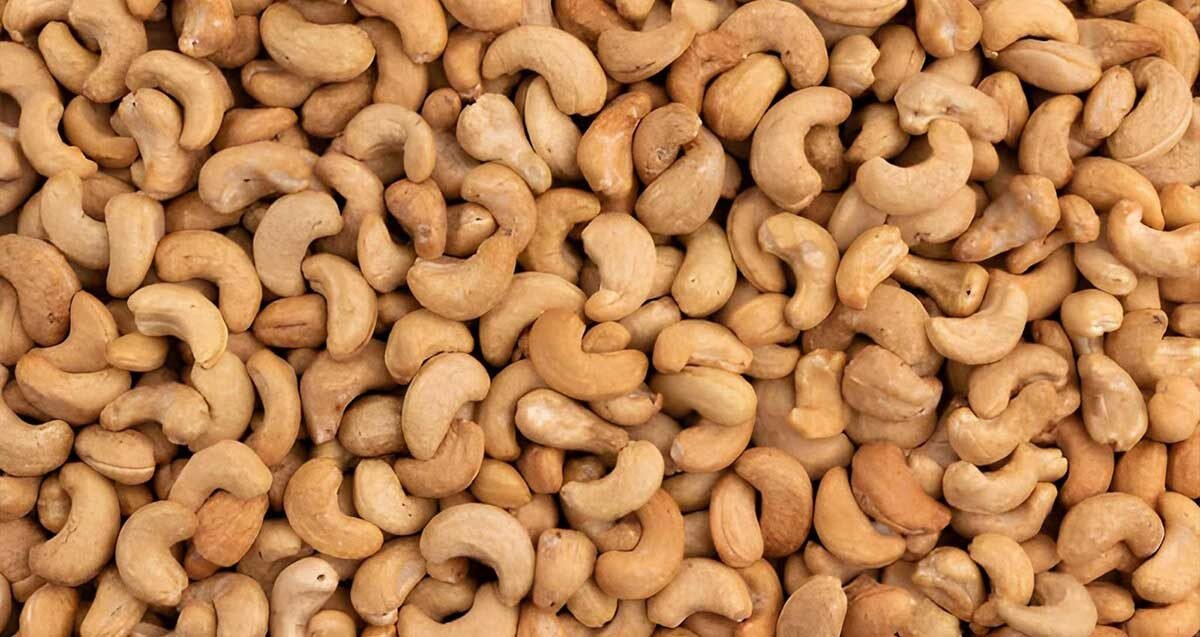
Tanzania is globally recognized for producing some of the highest-quality raw cashew nuts (RCN) in the world. With a unique climate and nutrient-rich soil in regions like Mtwara and Lindi, Tanzanian cashews are prized for their size and flavor. However, for international buyers, navigating the local market requires an understanding of grading, timing, and quality metrics. This guide simplifies the process.


"Quality is not an act, it is a habit; in the world of global trade, your reputation is only as consistent as your last shipment.

1. Understanding the Tanzanian Cashew Season

Timing is everything. Buying at the right time ensures both the best price and the freshest stock.

  • Harvest Starts: October.

  • Peak Export Window: November through March.

  • Off-Season: April to September (Stock is usually limited or from previous harvests).

2. Decoding the Grades: SW180 vs. SW240

In the cashew world, numbers represent the “count” (how many kernels per pound).

  • SW180 (Superior Whole 180): These are the “King of Cashews”—large, premium, and expensive. Ideal for luxury retail.

  • SW240 (Superior Whole 240): The industry standard for high-quality snacking. They offer a perfect balance between size and price.

  • Quality Indicators: Always look for a moisture content below 6% and a defective rate of less than 0.1%.

3. What is KOR? (The Buyer’s Metric)

The Kernel Outturn Ratio (KOR) is the most critical quality metric in Tanzania. It measures the weight of the usable kernels retrieved from 80kg of raw nuts.

  • High Quality: 48 – 52 lbs.

  • Standard Quality: 44 – 47 lbs.

  • Tip: Always request a recent KOR analysis before finalizing a bulk contract.

4. Why Logistics Matter

Shipping from the Port of Dar es Salaam or Mtwara requires precision. Raw cashews are sensitive to moisture and heat. At Tillya Harvest Traders, we use standard 80kg jute bags which allow the nuts to “breathe” during transit, preventing the growth of mould or fungus.


Conclusion

Sourcing from Tanzania offers a significant advantage for your supply chain, provided you have a partner on the ground to verify quality. Whether you are a first-time importer or an established processor, understanding these fundamentals is the key to a successful harvest season.

Post a Comment

Your email address will not be published. Required fields are marked *