The Future of Value-Addition: Moving from Raw to Processed Exports
Uncategorized

For decades, the narrative of African agriculture has been defined by the export of raw materials. However, a quiet revolution is taking place across Tanzania. Led by forward-thinking companies like Tillya Harvest Traders, the industry is shifting toward value-addition—processing crops within our borders before they reach the global market. This isn’t just a win for the local economy; it represents a major upgrade for international buyers.


"Value-addition is the bridge that turns a 'commodity' into a 'brand.' It is the ultimate evolution of the global supply chain."

1. Why Value-Addition Matters for the Buyer

When a commodity is processed at the source, the benefits are passed directly to the importer.

  • Extended Shelf Life: Processed products, such as roasted cashews or refined sesame oil, are stabilized through professional packaging and treatment, reducing the risk of spoilage during sea transit.

  • Reduced Shipping Costs: By removing shells, pods, and husks in Tanzania, we reduce the volume and weight of the cargo. You pay to ship only the high-value product you actually need.

2. The Case for Integrated Quality Control

In the traditional model, a trader buys from a farm and sells to a port. In a value-added model, the exporter owns the processing facility.

  • Total Oversight: By processing our own cashews and seeds, we can monitor quality at every stage—from the temperature of the drying room to the precision of the sorting machine.

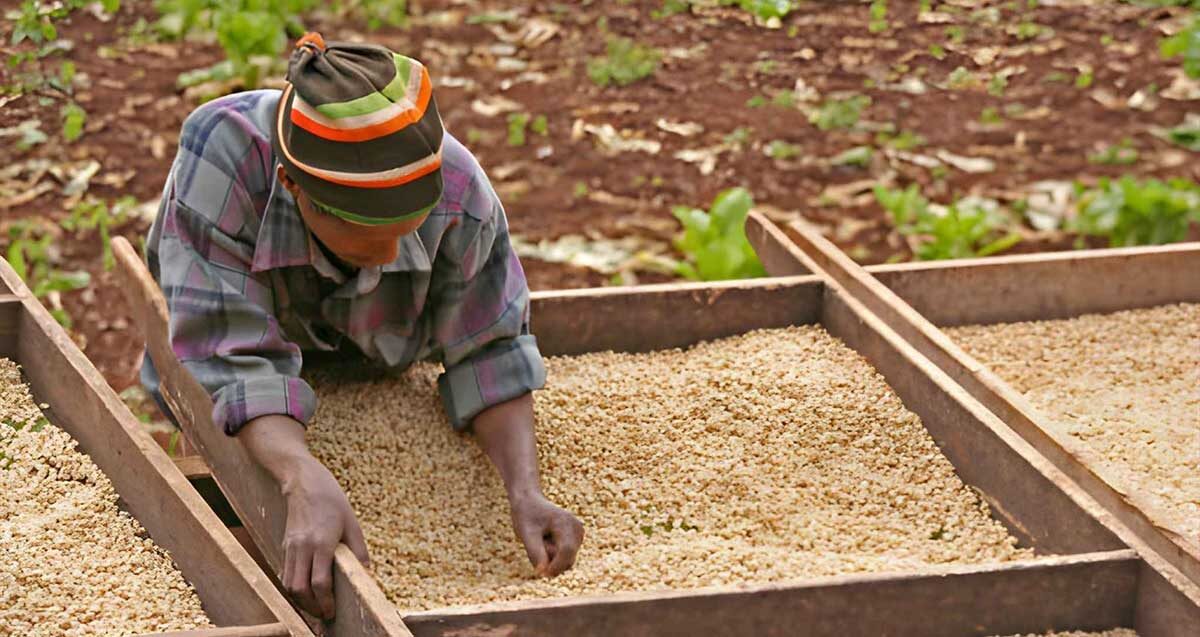
  • Customization: Value-addition allows us to meet specific buyer requirements, such as custom roast profiles for coffee or specific filtration levels for sesame oil.

3. Sustainability and Social Impact

Modern consumers are no longer satisfied with “blind” sourcing. They want to know that their purchases support the communities where the food is grown.

  • Job Creation: Processing facilities create stable, skilled jobs for Tanzanians, particularly for women in rural areas.

  • Reduced Carbon Footprint: Processing at the source reduces the total distance “waste products” (like cashew shells) travel, making your supply chain more eco-friendly.

4. Tillya’s Roadmap: Our Own Facilities

As shared in our CEO’s Vision, Tillya Harvest Traders is actively transitioning into a fully integrated export company. Our roadmap includes:

  • Advanced Cashew Deshelling: Moving from raw nut exports to high-grade kernels.

  • Oil Pressing Units: Utilizing our high-oil Gindano sesame to produce premium-grade oils for export.

  • Specialty Coffee Processing: Enhancing our washing and sorting stations to provide even more precise cupping profiles.

Conclusion

The future of Tanzanian agriculture is not just about growing more; it’s about doing more with what we grow. As we move toward a value-added future, our partners can expect higher consistency, lower logistics waste, and a more transparent supply chain. We invite you to join us on this journey as we transform the way Tanzania feeds the world.

Post a Comment

Your email address will not be published. Required fields are marked *